What to Expect From Water Damage Clean Ups

March 18, 2026

March 18, 2026

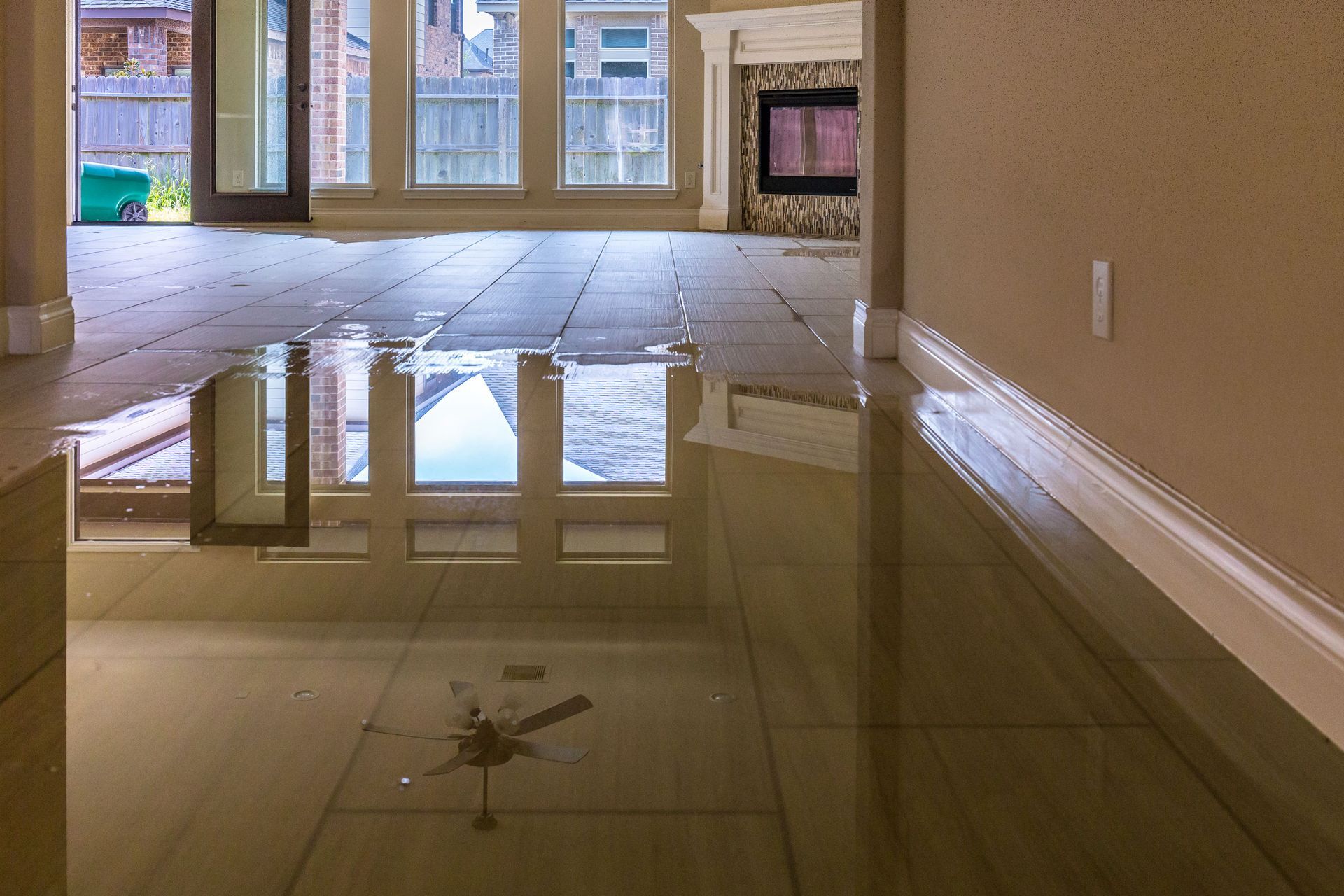
Water damage can happen unexpectedly and escalate quickly, leaving homeowners overwhelmed, stressed, and unsure where to begin. Whether caused by a burst pipe, leaking roof, appliance malfunction, or severe weather, water intrusion can lead to structural damage, mold growth, and costly repairs if not addressed immediately. Understanding what happens during professional water damage clean ups can help you feel more prepared and confident if you ever face this situation. According to IBISWorld, as of 2023, there were over 58,000 damage restoration businesses in the U.S., showing just how many property owners rely on trained professionals to restore their homes after water-related disasters. These experts follow a systematic, detailed process to ensure safety, prevent future issues, and return homes to pre-loss condition as efficiently as possible.


Water damage may seem straightforward on the surface, but the cleanup process involves many steps, each crucial for preventing long-term problems. Knowing what to expect can help you choose the right company, understand the timeline, and ensure your property receives the thorough care it needs. Below is a clear, comprehensive breakdown of what typically happens during water damage clean ups and why each stage matters for successful restoration.


Assessing the Damage and Creating a Restoration Plan

The first step in any professional cleanup is a detailed assessment. Restoration technicians inspect the affected area to determine the source of the water, the extent of the damage, and the category of contamination present. Water is typically classified into three types: clean water, gray water, and black water. Each category requires different handling methods to ensure safety.


During the inspection, specialists use moisture meters, thermal imaging cameras, and other tools to identify affected materials and hidden water pockets. This assessment allows them to build a customized cleanup and restoration plan. The plan outlines the equipment needed, the number of technicians required, expected timelines, and whether demolition or reconstruction will be necessary.


Stopping the Water Source and Ensuring Property Safety

Before cleanup begins, the water source must be located and stopped. This may involve shutting off the main water supply, repairing a broken pipe, or addressing drainage issues. Stabilizing the situation early prevents further damage and allows restoration crews to work safely.


Safety is also a major concern during water damage clean ups. Depending on the level of contamination, technicians may need protective gear such as gloves, respirators, and waterproof suits. They will also identify electrical hazards, weakened structures, and slippery surfaces to prevent accidents. Ensuring a safe work zone is essential before moving forward.


Extracting the Water Quickly and Efficiently

Once the area is secure, technicians begin water extraction. Industrial-grade pumps and vacuums are used to remove standing water from floors, carpets, basements, and other affected areas. Speed is crucial because the longer water sits, the more damage it causes. Mold can begin growing within 24 to 48 hours under the right conditions, according to our team, so fast extraction helps reduce long-term risks.


Multiple passes may be needed to fully remove visible water. In some cases, technicians must move furniture, appliances, or belongings to improve access. Large volumes of water often require truck-mounted extraction systems that can quickly remove water even from heavily flooded spaces.


Drying the Home With Specialized Equipment

Even after visible water is removed, building materials such as drywall, insulation, wood, and flooring retain moisture. Left behind, this moisture can cause warping, structural deterioration, and mold growth. Drying is one of the most important stages in water damage clean ups, and it often takes several days.


Restoration crews strategically place industrial air movers and commercial-grade dehumidifiers throughout the affected areas. These machines pull moisture out of materials and control humidity levels. Technicians monitor progress daily using moisture-measuring tools to ensure drying is effective and even. Adjustments are made as needed to speed up the process and prevent secondary damage.


Removing Damaged Materials and Preventing Mold Growth

Not all materials can be saved after severe water damage. During cleanup, restoration crews remove unsalvageable items such as soaked drywall, insulation, carpet padding, warped wood, and other materials that cannot be dried safely. Removing these items helps prevent mold growth and speeds up the drying process.


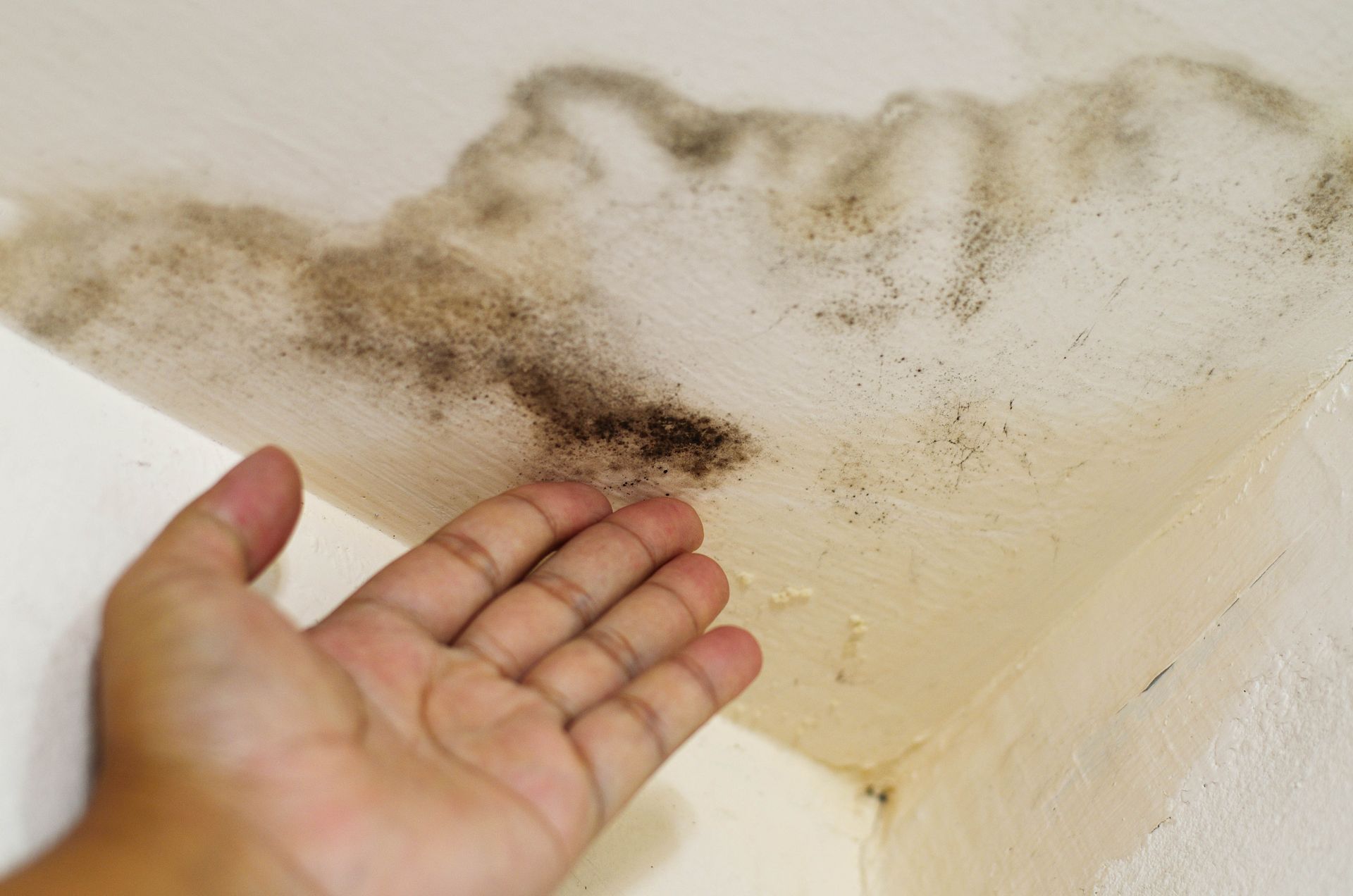
Mold prevention is a key focus during this stage. Technicians may apply antimicrobial treatments to surfaces to stop mold from forming. If mold is already present, they will follow strict containment and remediation procedures to remove it safely. Because mold spreads quickly, proactive treatment is essential in every cleanup project.


Cleaning, Sanitizing, and Deodorizing Affected Areas

Once drying and removal are complete, technicians thoroughly clean and sanitize all affected surfaces. Water damage can introduce bacteria, odors, debris, and contaminants into the home, especially when the water category is gray or black.


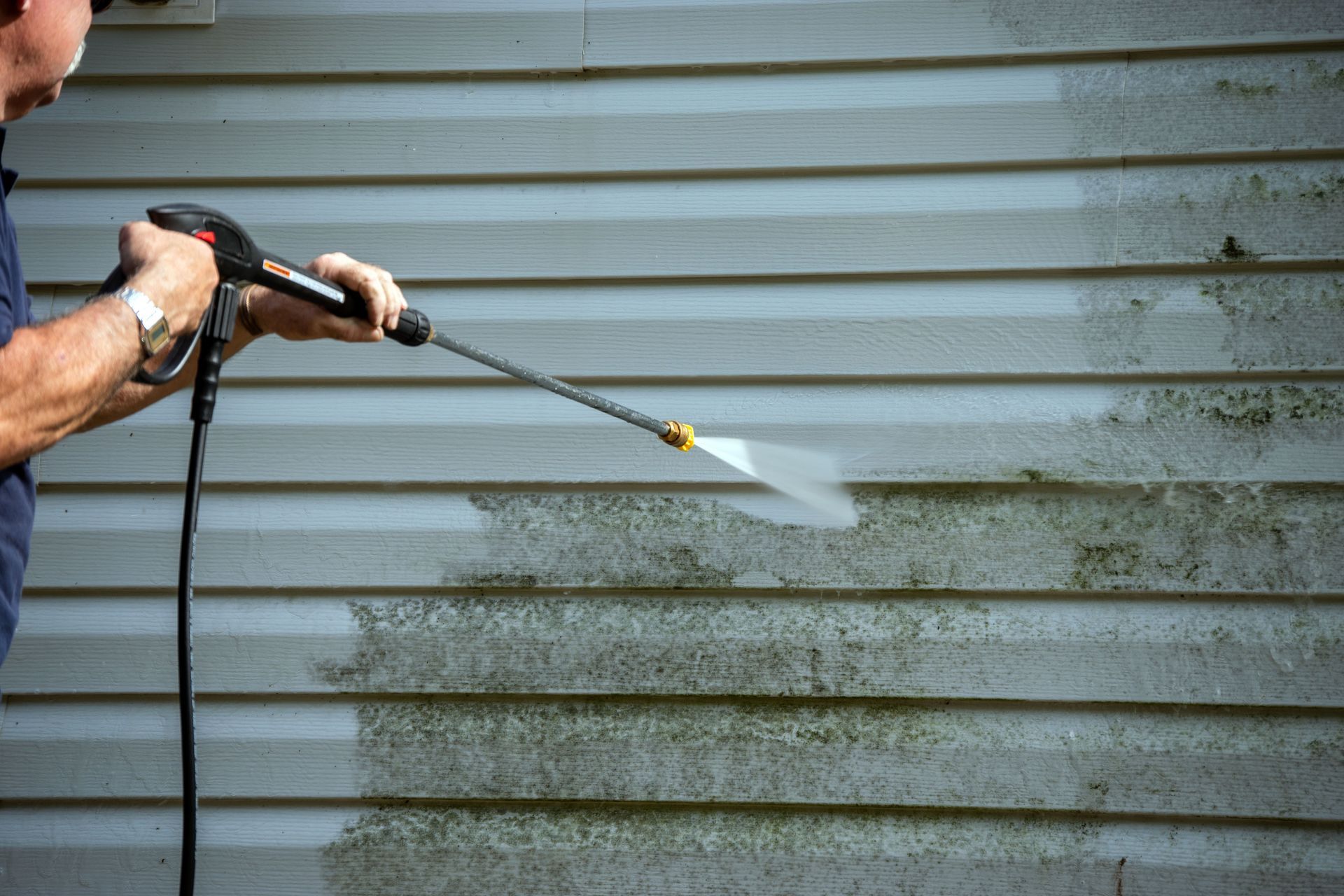
Cleaning often involves scrubbing walls, floors, and baseboards, disinfecting surfaces, and deodorizing the space to remove musty smells. Professional water damage clean ups use high-quality cleaning agents and equipment designed to eliminate contaminants without damaging materials. This step restores cleanliness and creates a healthy environment.


Restoring and Rebuilding Damaged Areas

The final stage of cleanup is restoration, which may involve simple repairs or major reconstruction, depending on the severity of the damage. Some homes only need patching, repainting, or small flooring repairs. Others may require drywall installation, new flooring, structural repairs, or full room reconstruction.


Restoration companies often work closely with insurance providers to document all losses, estimated repair costs, and progress reports. This ensures homeowners receive the compensation needed to complete the process. Full restoration brings the home back to its pre-loss condition, so the homeowner can return to a safe, functional, and comfortable living space.


Communicating With the Cleanup Team Throughout the Process

One of the most important things homeowners can expect is continuous communication. A reputable restoration company will explain each stage of the cleanup, provide a timeline, and share updates on drying progress, material removal, and reconstruction plans. Clear communication helps reduce stress and ensures homeowners always know what comes next.


Technicians may also offer advice on how to handle personal belongings, how to prevent future water damage, and how to maintain indoor air quality during and after cleanup. A collaborative approach between homeowners and restoration professionals results in a smoother, more efficient recovery process.

Understanding the Timeline of Water Damage Cleanup

Water damage clean ups vary in duration depending on the severity of the damage, the size of the home, and the type of materials affected. Minor cleanups may take two to three days, while more extensive damage may require weeks of drying, demolition, and rebuilding. Understanding this timeline helps set realistic expectations and reduces frustration during the process.


Rushing the drying process or skipping important steps can lead to long-term issues such as mold growth, odors, or structural problems. Thorough, patient restoration ensures long-term safety and quality results.


Preventing Future Water Damage Through Maintenance and Upgrades

After experiencing water damage once, most homeowners want to avoid it from ever happening again. During cleanup, technicians often identify the source of the problem—such as a cracked pipe, aging roof, clogged gutters, or poor drainage. Addressing these issues early helps prevent repeat incidents.


Additional upgrades such as sump pumps, improved waterproofing, and better ventilation also reduce long-term risk. Restoration teams may offer suggestions tailored to the home’s unique vulnerabilities, helping homeowners feel confident in future protection.


Dealing with water damage can be overwhelming, but knowing what to expect from professional water damage clean ups helps restore peace of mind. From detailed assessments and rapid water extraction to careful drying, sanitizing, and rebuilding, the process is designed to protect your home and prevent lasting damage. When you need reliable, efficient restoration after water intrusion, Rapid Restoration DKI is here to help. Contact our team today to schedule service and restore your home with confidence.

August 7, 2025
Natural disasters are unavoidable and often happen when you least expect them. But what you can control is how you recover from these disasters. Homeowner’s insurance brings peace of mind during these emergencies and can help cover your losses when lightning (or another natural disaster) strikes. To help you prepare for those inevitable storms, it’s important to know just exactly what kind of disasters your insurance covers. Keep reading to learn more! Know Your Insurance Homeowner’s insurance protects you financially against covered damages to your home and personal belongings. There are several policy types offered for home insurance. While no policy covers all natural disasters, some will cover more than others. Depending on where you live, certain disaster coverage may not apply, which is why it’s important to find the right policy for your home. Common policies range from HO-1 to HO-8, with HO-1 being the most basic. Do your research, then make the best decision for you! What’s Covered? Before you assume your home is covered, double check your insurance policy or consult your insurance agent to make sure. While every policy has its own add-ons or exclusions, here are some natural disasters many insurance policies cover. Tornadoes & Hurricanes Tornadoes are fairly common in Minnesota and can be extremely destructive. If your home is involved in a tornado, it will likely cause damage to your personal property due to the strong winds, hail, and strong chance of fallen debris. Most homeowner insurance policies will cover you financially for these damages, but depending on where you live, your policy may require separate deductibles for wind or hail. The damages from a tornado can also include floods. Flood damage is not covered under any standard homeowners insurance policies, so purchasing an additional policy would be required to protect your home from these damages. Like tornadoes, damages caused by hurricanes are usually covered. These damages are typically limited to those caused by winds or fallen debris, and not flood damage. Fire If fire causes damage to your home or property, most policies will cover that damage. Restrictions aren’t common in regards to fire, but can be made in areas where wildfires are more likely to occur, or if the fire was set intentionally. This is something to take into account in Minnesota, where wildfires can be common. Extreme Cold Extreme cold isn’t unusual in Minnesota, where winters can be harsh and freezing. If a pipe bursts due to cold weather, the damages that water causes will most likely be protected. Damages from the weight of snow or ice will usually be covered as well. If snowmelt or the pipe bursting results in a flood, the flood damages will not be protected by insurance. Lightning Lightning strikes can cause many types of damage. Fire, explosions, or power surges can all be a result of lightning striking your home. Most homeowner’s insurance will cover these damages, even if the lightning doesn’t strike your home directly. For example, if lightning strikes a tree next to your home and the tree falls causing damage, your insurance will most likely cover it. Volcanoes For many people, this natural disaster doesn’t apply to their property at all. But for those who live in close proximity to a volcano, this is something they have to think about. A volcanic eruption causes ash, dust, and lava flow. Insurance will usually cover damages from these, but may not cover damages from shockwaves or earthquakes without additional policies. What Isn’t Covered? While many natural disasters are covered by your insurance policy, there are a few that aren’t. These natural disasters can be protected by purchasing additional policies, but aren’t included in the basic insurance. These are some natural disasters that won’t be protected. Earthquakes More than half of the states in the U.S. are at risk of earthquakes and the damage they cause. While they aren’t covered in any insurance policy, you can purchase an earthquake specific policy. This may be a good idea if you live close to a fault line. Floods Flooding from rain, burst pipes, or similar problems isn’t covered in your usual basic homeowner’s insurance policy. The cost of additional flood insurance varies based on where you live and how common flooding is in that area.Floods are quite common in Minnesota, so an additional policy would most likely be useful. Coverage costs range from $600 to even more than $1,200 per year. Tsunamis Tsunamis are giant waves that are typically created by an earthquake or volcanic eruption deep in the ocean. These disasters travel inland, damaging homes and various buildings. Flooding is a major result of tsunamis, and like stated above, aren’t covered by insurance. If you live near the coast, consider purchasing additional flooding coverage to protect your property. And, despite what you may think, our local Lake Superior does, in fact, experience its own form of tsunamis (called meteotsunamis ). Rapid Restoration is Here to Help! Each policy is different and coverage varies. While most insurance policies will cover these natural disasters, it’s important to talk to your insurance company to make sure. Find out about your coverage before the disaster strikes so you can be prepared! No matter what the natural disaster is, you have the disaster recovery experts at Rapid Restoration on your side. We offer 24/7 emergency cleanup services so when disasters happen, cleanup is a breeze. Contact us for fast and efficient restoration! We are here to help!
August 7, 2025
Have you experienced a fire at your commercial property? First off, we want to send our sympathies because we know just how precious a business can be to a person’s livelihood. Although fire and smoke damage can be covered by your insurance, it can still be a lengthy process to full recovery. That’s why it’s important to choose skilled professionals that can ease your stress by getting the job done right. We’re here to discuss the steps we take to get your business property back to normal! Let’s start learning. Assess The Damage  Knowing what kind of fire you are dealing with will better understand how to clean the damage. There are two different types of fires: High Oxygen Low Oxygen A high oxygen fire leaves behind a dryer smoke residue making the cleanup easier. While a low oxygen fire tends to leave behind a wetter smoke residue which can make the cleanup a little harder. Depending on which fire occurred, professionals can assess the situation and use the proper methods to clean. Get Rid of the Unsalvageable Items Although smoke damage professionals try to save anything and everything possible in the property, sometimes the damage is too severe to save certain items. When this happens, hauling out the unsalvageable items is the next step. By doing so, a smoother and more organized cleanup can take place. This saves time to focus on what can be saved and a considerable amount of smoke odor from the property. We urge owners of the commercial property to take pictures of everything inside the home before we haul things off for insurance purposes. Remove the Leftover Water When firemen fight the fire with the water hoses, the water can also create damage to the property. It’s important to act quickly to remove any water that’s still standing to eliminate any further damage done. To ensure the safety of individuals, professionals will use proper equipment like dehumidifiers to remove the water. If not extracted quickly enough, some common damages of water are: Mold and mildew Warped and damaged wood Electrical damage Carpet damage Ceiling damage When you call Rapid Restoration, we will: Extract water and dehumidify your property Deodorize water damage Remove the Soot Soot is the black powdery or flakey substance left behind after a fire. It’s caused when the carbon-filled materials such as plastic, wood, coal, and oils burn incompletely leaving behind that black substance. Not only can it cause damage to your things and property but it can also cause damage to your health so it’s important to remove it as quickly as possible! Some of the specialized ways to clean soot are: Air scrubbing Thermal fogging Degreasing agents Hepa Vacuum cleaner High- and low-alkaline detergents Professional Deodorization Smoke odor lingering in your home after a fire is very common. However, it shouldn’t stay that way. To remove smoke odor, we have a professional deodorization method to ensure that your house will be smoke odor-free. Enlist Rapid Restoration in this process for skilled and proper smoke odor removal. Call Rapid Restoration for Your Commercial Smoke Damage Needs Getting your business property restored can be a lengthy process. If you’ve experienced a fire at your commercial property, trust our professionals at Rapid Restoration to get the job done safely and professionally! Give us a call today to learn more about our process. Call Rapid Restoration
August 7, 2025
We all know about that stack of papers on the kitchen counter that we try to ignore but somehow keep adding to every time we check the mail! Don’t let your clutter control your life and make the changes to keep your home neat and tidy. Why Is It Important to Declutter? According to ABC News , people who live in a cluttered environment tend to have increased stress, unhealthier eating habits, and decreased focus and productivity. There are other harmful things that could be affecting your health if you have too much clutter in your home. Mold likes to grow in dark and wet places, and those places are easier to hide from sight if you have a messy room. Water damage can also be a problem if you can’t see the signs of a leaking pipe or ceiling. 7 Steps of How to Declutter Your Home! The task can seem intimidating at first, especially if it’s been a few months or a few years since you’ve deep cleaned your home. There’s no need to be scared, though! We have some useful tips that will help you clean up and organize your home! Step 1: Determine Which Rooms Need Decluttering! Take a walk through your home and assess each room. Some rooms may be cleaner than others so start with the cleaner rooms first. This will help you get in the habit and practice of how to declutter so you’ll be prepared for the messier rooms! Make sure you set small goals and try not to get too overwhelmed! Make a plan and stick to it! Keep in mind, decluttering doesn’t have to be done in one day. Span it over a week or even a few months. Step 2: Develop a Sorting System A goal without a solid plan won’t get you very far! That’s why it’s a good idea to have a way to sort through everything! That way you know exactly what you need to keep and what needs to be left behind. It’s a good idea to sort things into a keep pile, a store pile, and a toss pile. Don’t get too attached to the things that you’ll be tossing or else it will be counterproductive to the end goal! When you’re sorting through your stuff, try and only keep the things that you’ve used in the past 3 months and see yourself using in the next 3 months. This gives a good time-frame for you to determine how often you use the item and will help you live a more minimalist lifestyle. Step 3: Keep the Essentials Organized The things that you do choose to keep should be organized so that your room looks cleaner. Every person will have their preference for what kind of organizing system they want to use but several things might be helpful to everyone. Some of these things include using: Old shoe boxes or small plastic containers. Used to organize smaller items like charging cords or socks in drawers. Labels. A great way to find things kept in drawers or cabinets. Filing folders or cabinets. Have paper? These are useful for coupons, letter, and papers you can’t throw out. Small garbage cans. Put on in every room to encourage you and others to take care of trash immediately rather than leaving it around the house. Step 4: Store the Necessities If you have things you need to keep but don’t necessarily follow the 90/90 rule, you’ll want to organize those into storage. If you have extra space in your home, make sure you designate that closet or extra room to storage. If you don’t have enough room, you might want to consider investing in waterproof containers to keep things in a storage facility. Use plastic bins to keep things safe from any hazards that may occur like water damage or flooding in the event of an emergency. Filing cabinets are also useful to keep important documents in that you’ll need to keep for years to come so that they are out of the way but easy to find. Step 5: Get Rid of the Rest! Make sure you discard anything that you don’t or won’t need to use! Like we mentioned before, clutter can affect your health in negative ways but it’s important to discard of it. If you have papers, plastic, glass or metal that can be recycled, take it to your local recycling plant! Anything that can be donated to thrift stores or charity can help the communities you live in and if you want to make some extra money, then you can try having a garage sale. If you still have leftover clutter, it’s best to get rid of it! Rent a dumpster or go to the dump to get rid of the rest of your mess! Step 6: Deep Clean The last step to decluttering your home is deep cleaning. Make sure you get into every nook and cranny! This will help you keep on the lookout for hazards like mold or water damage that may have formed behind the mess! Mold can be extremely harmful if not taken care of properly and almost always starts growing as the result of water damage. Step 7: Call Rapid Restoration It may be confusing to know what to do if you happen to find mold or water damage in your home. Make sure you call the experts in charge of helping you clean up these hazards because they’ll know how to best fix the problem! Rapid Restoration does professional mold testing and inspection to make sure your like-new clean home is safe and sound! Want to Learn More? We’ve covered a variety of similar topics and the impact of mold in your home. Take our quiz to see if your home is making you sick. Learn more about the risks of black mold . Find out how to eliminate and remove mold from your home.
Show More →