Gas Leaks: How to Find and Handle Them

August 7, 2025

August 7, 2025

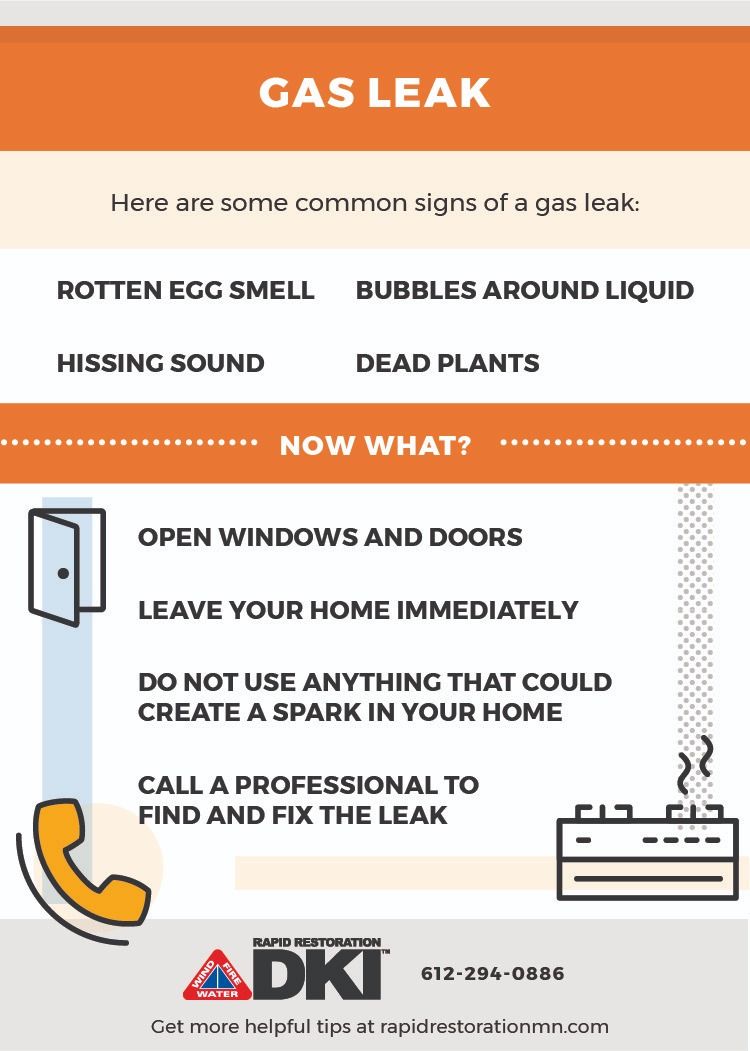
Discovering a gas leak in your home can be something both frightening and incredibly frustrating. No one wants to find that gas has been leaking in your home for both health and sanitary reasons. At Rapid Restoration, we want you to be prepared to handle gas leaks of all types, no matter how they occur. We have also included a downloadable quick guide to handling gas leaks, which we encourage you to print and hang somewhere easily referenced within your home.


What’s the Danger?

The simple answer is that gas leaks are highly flammable. Natural gas contains high amounts of methane, which is very flammable. In the event of a gas leak it is imperative that you don’t create any sparks or fire near the leak as it could cause the gas to explode.

Besides explosions, gas leaks can also have effects on the body. If you are only exposed to low levels of natural gas, you will not experience any effects. The only risk to your health from natural gas is if it’s inhaled in large amounts. If a natural gas leak has occurred and is severe, oxygen can be reduced, causing dizziness, fatigue, nausea, headache, and irregular breathing. If you or your family members are experiencing any of these symptoms, but can’t smell anything, you should still check for a leak and call a plumber to fix it.


Determining if You Have a Gas Leak

The main type of gas leak that you will encounter is a natural gas leak. Natural gas is used for heating furnaces, water heaters, space heaters, pool and jacuzzi heaters, fireplaces, outdoor lights, clothes dryers, air conditioners, and stoves. Any of these can leak, so what’s the easiest way to tell if you’ve had a natural gas leak in your home?


It Stinks

You’ve probably heard that natural gas tends to smell like rotten eggs. This is because the gas companies add the smell as a warning. Rotten eggs is the most common smell, but it can also smell similar to skunk. Either way, the smell is generally bad and you can usually trace it back to the source.


What Causes A Gas Leak?

Gas leaks can be caused by a few things. Like we said above, natural gas is used in a few different places within your home and can leak from any of them. So if you come across the smell of rotten eggs or skunk, you’ve probably got a leak. With that being said, most gas leaks happen at the source of the gas to your home.


Gas leaks typically occur more often in older homes. This is because older homes used a different style of gas valve, called a lube valve or plug valve, which is no longer allowed in homes, and won’t pass inspection. Before you move into a new place, check if it uses this type of valve. If it does, consider getting it replaced.


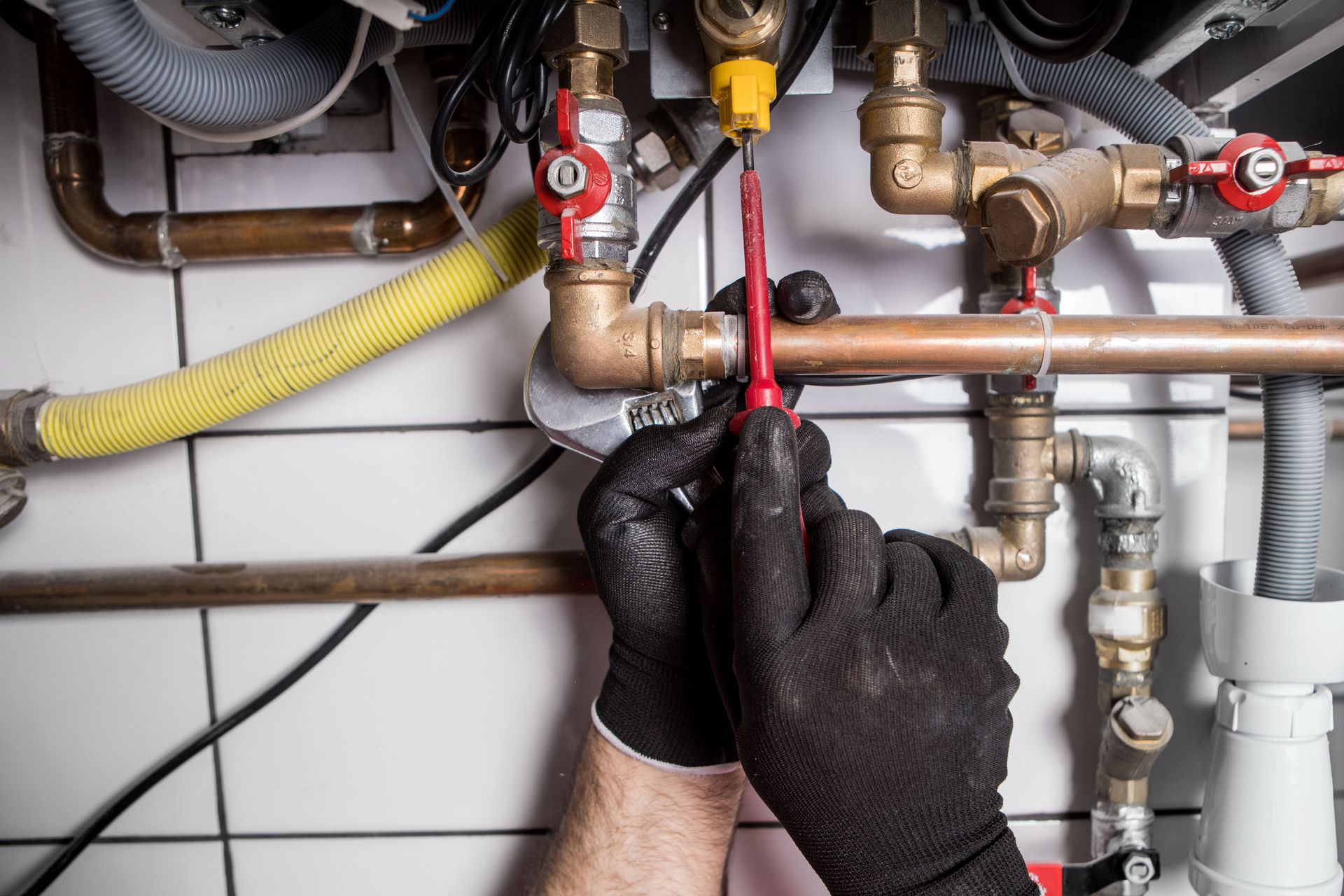
If one of your appliances has leaked, it might be because the appliance is old and broken. To avoid this, you should get your home inspected every few years. Appliances’ gas supply valves can also be poorly fitted which allows gas to escape. You should have it fitted properly by a professional to ensure leaks don’t happen.


What To Do If You Have a Gas Leak

  • If it has just started, determine where the leak originated.
  • Ensure there are no sources of heat or flames near the leak.
  • Open windows and doors to allow the gas to escape.
  • Exit the building.
  • Call a professional to fix the leak

Hopefully you will never have to deal with a gas leak in your home. Get your home checked regularly to ensure you don’t have to fix this problem. We encourage you to download the above guide and place it somewhere easily accessed for future reference. If you do have a leak, make sure you call a professional to properly fix the leak and prevent future damage.


For any home damage, or if you have questions about repairs, please don’t hesitate to give Rapid Restoration a call at 612-294-0886.

Want to learn more about other maintenance tips? Check out our checklist on how to prepare your home for winter.

water damage clean ups
March 18, 2026
Understanding what happens during professional water damage clean ups can help you feel more prepared and confident if you ever face this situation.
August 7, 2025
Natural disasters are unavoidable and often happen when you least expect them. But what you can control is how you recover from these disasters. Homeowner’s insurance brings peace of mind during these emergencies and can help cover your losses when lightning (or another natural disaster) strikes. To help you prepare for those inevitable storms, it’s important to know just exactly what kind of disasters your insurance covers. Keep reading to learn more! Know Your Insurance Homeowner’s insurance protects you financially against covered damages to your home and personal belongings. There are several policy types offered for home insurance. While no policy covers all natural disasters, some will cover more than others. Depending on where you live, certain disaster coverage may not apply, which is why it’s important to find the right policy for your home. Common policies range from HO-1 to HO-8, with HO-1 being the most basic. Do your research, then make the best decision for you! What’s Covered? Before you assume your home is covered, double check your insurance policy or consult your insurance agent to make sure. While every policy has its own add-ons or exclusions, here are some natural disasters many insurance policies cover. Tornadoes & Hurricanes Tornadoes are fairly common in Minnesota and can be extremely destructive. If your home is involved in a tornado, it will likely cause damage to your personal property due to the strong winds, hail, and strong chance of fallen debris. Most homeowner insurance policies will cover you financially for these damages, but depending on where you live, your policy may require separate deductibles for wind or hail. The damages from a tornado can also include floods. Flood damage is not covered under any standard homeowners insurance policies, so purchasing an additional policy would be required to protect your home from these damages. Like tornadoes, damages caused by hurricanes are usually covered. These damages are typically limited to those caused by winds or fallen debris, and not flood damage. Fire If fire causes damage to your home or property, most policies will cover that damage. Restrictions aren’t common in regards to fire, but can be made in areas where wildfires are more likely to occur, or if the fire was set intentionally. This is something to take into account in Minnesota, where wildfires can be common. Extreme Cold Extreme cold isn’t unusual in Minnesota, where winters can be harsh and freezing. If a pipe bursts due to cold weather, the damages that water causes will most likely be protected. Damages from the weight of snow or ice will usually be covered as well. If snowmelt or the pipe bursting results in a flood, the flood damages will not be protected by insurance. Lightning Lightning strikes can cause many types of damage. Fire, explosions, or power surges can all be a result of lightning striking your home. Most homeowner’s insurance will cover these damages, even if the lightning doesn’t strike your home directly. For example, if lightning strikes a tree next to your home and the tree falls causing damage, your insurance will most likely cover it. Volcanoes For many people, this natural disaster doesn’t apply to their property at all. But for those who live in close proximity to a volcano, this is something they have to think about. A volcanic eruption causes ash, dust, and lava flow. Insurance will usually cover damages from these, but may not cover damages from shockwaves or earthquakes without additional policies. What Isn’t Covered? While many natural disasters are covered by your insurance policy, there are a few that aren’t. These natural disasters can be protected by purchasing additional policies, but aren’t included in the basic insurance. These are some natural disasters that won’t be protected. Earthquakes More than half of the states in the U.S. are at risk of earthquakes and the damage they cause. While they aren’t covered in any insurance policy, you can purchase an earthquake specific policy. This may be a good idea if you live close to a fault line. Floods Flooding from rain, burst pipes, or similar problems isn’t covered in your usual basic homeowner’s insurance policy. The cost of additional flood insurance varies based on where you live and how common flooding is in that area.Floods are quite common in Minnesota, so an additional policy would most likely be useful. Coverage costs range from $600 to even more than $1,200 per year. Tsunamis Tsunamis are giant waves that are typically created by an earthquake or volcanic eruption deep in the ocean. These disasters travel inland, damaging homes and various buildings. Flooding is a major result of tsunamis, and like stated above, aren’t covered by insurance. If you live near the coast, consider purchasing additional flooding coverage to protect your property. And, despite what you may think, our local Lake Superior does, in fact, experience its own form of tsunamis (called meteotsunamis ). Rapid Restoration is Here to Help! Each policy is different and coverage varies. While most insurance policies will cover these natural disasters, it’s important to talk to your insurance company to make sure. Find out about your coverage before the disaster strikes so you can be prepared! No matter what the natural disaster is, you have the disaster recovery experts at Rapid Restoration on your side. We offer 24/7 emergency cleanup services so when disasters happen, cleanup is a breeze. Contact us for fast and efficient restoration! We are here to help!
August 7, 2025
Have you experienced a fire at your commercial property? First off, we want to send our sympathies because we know just how precious a business can be to a person’s livelihood. Although fire and smoke damage can be covered by your insurance, it can still be a lengthy process to full recovery. That’s why it’s important to choose skilled professionals that can ease your stress by getting the job done right. We’re here to discuss the steps we take to get your business property back to normal! Let’s start learning. Assess The Damage  Knowing what kind of fire you are dealing with will better understand how to clean the damage. There are two different types of fires: High Oxygen Low Oxygen A high oxygen fire leaves behind a dryer smoke residue making the cleanup easier. While a low oxygen fire tends to leave behind a wetter smoke residue which can make the cleanup a little harder. Depending on which fire occurred, professionals can assess the situation and use the proper methods to clean. Get Rid of the Unsalvageable Items Although smoke damage professionals try to save anything and everything possible in the property, sometimes the damage is too severe to save certain items. When this happens, hauling out the unsalvageable items is the next step. By doing so, a smoother and more organized cleanup can take place. This saves time to focus on what can be saved and a considerable amount of smoke odor from the property. We urge owners of the commercial property to take pictures of everything inside the home before we haul things off for insurance purposes. Remove the Leftover Water When firemen fight the fire with the water hoses, the water can also create damage to the property. It’s important to act quickly to remove any water that’s still standing to eliminate any further damage done. To ensure the safety of individuals, professionals will use proper equipment like dehumidifiers to remove the water. If not extracted quickly enough, some common damages of water are: Mold and mildew Warped and damaged wood Electrical damage Carpet damage Ceiling damage When you call Rapid Restoration, we will: Extract water and dehumidify your property Deodorize water damage Remove the Soot Soot is the black powdery or flakey substance left behind after a fire. It’s caused when the carbon-filled materials such as plastic, wood, coal, and oils burn incompletely leaving behind that black substance. Not only can it cause damage to your things and property but it can also cause damage to your health so it’s important to remove it as quickly as possible! Some of the specialized ways to clean soot are: Air scrubbing Thermal fogging Degreasing agents Hepa Vacuum cleaner High- and low-alkaline detergents Professional Deodorization Smoke odor lingering in your home after a fire is very common. However, it shouldn’t stay that way. To remove smoke odor, we have a professional deodorization method to ensure that your house will be smoke odor-free. Enlist Rapid Restoration in this process for skilled and proper smoke odor removal. Call Rapid Restoration for Your Commercial Smoke Damage Needs Getting your business property restored can be a lengthy process. If you’ve experienced a fire at your commercial property, trust our professionals at Rapid Restoration to get the job done safely and professionally! Give us a call today to learn more about our process. Call Rapid Restoration
Show More →